Water sports enthusiasts and environmental advocates alike understand the critical importance of clean water in lakes. Whether you’re a passionate swimmer, an avid kayaker, or a dedicated water skier, the quality of the water directly impacts your experience and safety. Moreover, the health of our lake ecosystems depends on maintaining clean water. In this article, we’ll explore the significance of clean water for water sports in lakes and delve into the crucial role that wastewater treatment plays in preserving our aquatic playgrounds.
The Importance of Clean Water for Water Sports
Safety and Health Concerns
Clean water is paramount for the safety and health of water sports participants. When engaging in activities such as swimming, diving, or water skiing, individuals are in direct contact with the water, often ingesting small amounts unintentionally. Contaminated water can pose serious health risks, including:
1. Gastrointestinal illnesses: Bacteria, viruses, and parasites in polluted water can cause stomach upset, diarrhea, and more severe conditions.
2. Skin infections: Harmful microorganisms can lead to skin rashes, infections, and other dermatological issues.
3. Respiratory problems: Inhaling water droplets containing certain bacteria or algal toxins can cause respiratory distress.
4. Eye and ear infections: Contaminated water can lead to conjunctivitis and ear infections, particularly common among swimmers.
By ensuring clean water in our lakes, we significantly reduce these health risks, allowing water sports enthusiasts to enjoy their activities without compromising their well-being.
### Enhanced Experience and Enjoyment
Clean water greatly enhances the overall experience of water sports. Consider the following aspects:
1. Visibility: Clear water improves visibility for swimmers, divers, and snorkelers, allowing them to better navigate and appreciate the underwater environment.
2. Aesthetics: Clean, pristine waters are more inviting and visually appealing, contributing to a more enjoyable experience for all water sports participants.
3. Odor: Polluted water often emits unpleasant odors, detracting from the experience. Clean water ensures a fresh, natural scent that adds to the enjoyment of outdoor activities.
4. Wildlife observation: Clean water supports a diverse ecosystem, allowing water sports enthusiasts to observe fish, birds, and other aquatic life in their natural habitat.
Equipment Longevity
Water sports often involve specialized equipment, from wetsuits and life jackets to boats and water skis. Clean water helps preserve this equipment by:
1. Reducing wear and tear: Pollutants and contaminants can degrade materials more quickly, shortening the lifespan of equipment.
2. Preventing staining: Clean water is less likely to leave stubborn stains or discoloration on equipment.
3. Minimizing maintenance: Equipment used in clean water requires less frequent cleaning and maintenance, saving time and money for enthusiasts.
Economic Impact
Clean lakes attract more visitors, boosting local economies through:
1. Tourism: Clean, attractive lakes draw more tourists, supporting local businesses such as hotels, restaurants, and equipment rental shops.
2. Property values: Lakefront properties near clean water bodies tend to have higher values, benefiting homeowners and local tax bases.
3. Recreation industry: A thriving water sports scene creates jobs and business opportunities in the recreation sector.
The Role of Wastewater Treatment in Maintaining Clean Lakes
Wastewater treatment plays a crucial role in preserving the cleanliness and health of our lakes. As populations grow and urbanization increases, the proper management of wastewater becomes increasingly important to protect our water resources.
### Understanding Wastewater
Wastewater is any water that has been adversely affected in quality by human activities. It includes:
1. Domestic wastewater: Water from households, including toilet flushing, washing, and kitchen use.
2. Industrial wastewater: Water used in manufacturing processes and industrial activities.
3. Stormwater runoff: Rainwater that flows over impervious surfaces, picking up pollutants along the way.
Without proper treatment, this wastewater can introduce a variety of pollutants into our lakes, including:
– Pathogens (bacteria, viruses, and parasites)
– Nutrients (nitrogen and phosphorus)
– Organic matter
– Chemical contaminants
– Microplastics
– Heavy metals
### The Wastewater Treatment Process
Modern wastewater treatment facilities employ a multi-step process to clean water before it’s released back into the environment:
1. Preliminary treatment: Removes large debris and grit through screening and settling.
2. Primary treatment: Uses sedimentation to remove suspended solids and reduce biochemical oxygen demand (BOD).
3. Secondary treatment: Employs biological processes to further reduce BOD and remove dissolved organic matter.
4. Tertiary treatment: Advanced processes to remove specific pollutants, such as nutrients or heavy metals.
5. Disinfection: Kills remaining pathogens using methods like chlorination or UV light.
Each stage of this process plays a vital role in ensuring that the water released into our lakes is clean and safe.
### Nutrient Removal
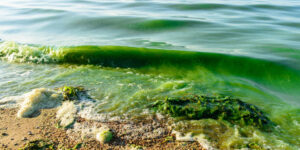
One of the most critical functions of wastewater treatment in maintaining lake health is nutrient removal. Excess nutrients, particularly nitrogen and phosphorus, can lead to eutrophication – a process where nutrient overload causes excessive algal growth. This can result in:
1. Algal blooms: Rapid growth of algae that can cover the water surface, reducing sunlight penetration and oxygen levels.
2. Dead zones: Areas of low oxygen concentration that cannot support aquatic life.
3. Changes in biodiversity: Alteration of the lake’s ecosystem, often favoring certain species over others.
4. Toxin production: Some algal blooms produce toxins harmful to humans and animals.
Advanced wastewater treatment techniques, such as biological nutrient removal and chemical precipitation, help mitigate these risks by significantly reducing the nutrient load in treated water.
### Pathogen Reduction
Wastewater treatment facilities play a crucial role in reducing the number of pathogens that enter our lakes. This is particularly important for water sports, as it directly impacts the safety of participants. Effective pathogen reduction is achieved through:
1. Biological treatment: Many pathogens are consumed by beneficial bacteria during the secondary treatment process.
2. Filtration: Advanced filtration techniques can remove smaller pathogens.
3. Disinfection: Methods like UV irradiation or chlorination provide a final barrier against harmful microorganisms.
By significantly reducing pathogen levels, wastewater treatment helps prevent waterborne diseases and ensures safer conditions for water sports enthusiasts.
### Removal of Chemical Contaminants
Modern life introduces a wide array of chemical contaminants into our wastewater, including:
1. Pharmaceuticals and personal care products
2. Industrial chemicals
3. Pesticides and herbicides
4. Household cleaning products
Many of these substances can have detrimental effects on aquatic ecosystems and potentially harm human health. Advanced wastewater treatment processes, such as activated carbon filtration and advanced oxidation, help remove these contaminants before water is released into lakes.
### Microplastics Filtration
The growing concern over microplastics in our water bodies has led to increased focus on their removal during wastewater treatment. While traditional treatment processes weren’t designed with microplastics in mind, many facilities are now implementing additional steps to address this issue:
1. Membrane filtration: Advanced membrane technologies can capture many microplastics.
2. Flotation techniques: Some facilities use processes that cause microplastics to float for easier removal.
3. Biological treatment optimization: Tweaking biological processes can enhance microplastic removal.
By tackling the microplastics problem at the wastewater treatment stage, we can significantly reduce their presence in our lakes, benefiting both the ecosystem and water sports participants.
## Challenges and Future Directions
Despite the crucial role of wastewater treatment in maintaining clean lakes, several challenges remain:
### Aging Infrastructure
Many wastewater treatment facilities are aging and in need of upgrades. Addressing this issue requires:
1. Significant investment in infrastructure renewal
2. Adoption of new, more efficient technologies
3. Planning for increased capacity to handle growing populations
### Emerging Contaminants
As our understanding of water quality evolves, new contaminants of concern are being identified. These include:
1. PFAS (per- and polyfluoroalkyl substances)
2. Microplastics
3. Antibiotic-resistant bacteria
4. Nanoparticles
Developing effective treatment methods for these emerging contaminants is an ongoing challenge for the wastewater treatment industry.
### Climate Change Impacts
Climate change poses several challenges to wastewater treatment and lake water quality:
1. Increased storm intensity can overwhelm treatment systems
2. Changes in temperature affect biological treatment processes
3. Droughts can lead to higher concentrations of pollutants in lakes
Adapting wastewater treatment systems to these changing conditions is crucial for maintaining clean lakes in the future.
### Public Awareness and Engagement
Maintaining clean lakes for water sports isn’t solely the responsibility of wastewater treatment facilities. Public awareness and engagement play a crucial role. This includes:
1. Proper disposal of household chemicals and pharmaceuticals
2. Reducing the use of single-use plastics
3. Supporting water conservation efforts
4. Advocating for investments in water infrastructure
By fostering a culture of water stewardship, we can complement the efforts of wastewater treatment facilities in keeping our lakes clean and safe for water sports.
## Conclusion
Clean water is the lifeblood of lake-based water sports, essential for safety, enjoyment, and the overall health of aquatic ecosystems. Wastewater treatment plays a pivotal role in maintaining this cleanliness, acting as a crucial barrier between our modern way of life and the natural water bodies we cherish.
As we look to the future, continued investment in wastewater treatment infrastructure, adoption of advanced technologies, and increased public awareness will be key to ensuring that our lakes remain pristine playgrounds for water sports enthusiasts. By recognizing the vital connection between clean water, wastewater treatment, and the joy of water sports, we can work together to preserve these aquatic treasures for generations to come.
Whether you’re a weekend kayaker, a competitive water skier, or simply someone who appreciates the serene beauty of a clean lake, remember that every effort to support clean water initiatives contributes to the preservation of these invaluable resources. Let’s cherish our lakes, support effective wastewater treatment, and continue to enjoy the myriad benefits that clean water brings to our lives and our favorite water sports.